
Lacquerware Craftsmanship
Wood lacquer, also known as natural lacquer or raw lacquer, is a natural resin coating harvested from the lacquer tree. Renowned for its corrosion resistance, high-temperature tolerance, and eco-friendly health benefits, it is hailed as the "King of Coatings."
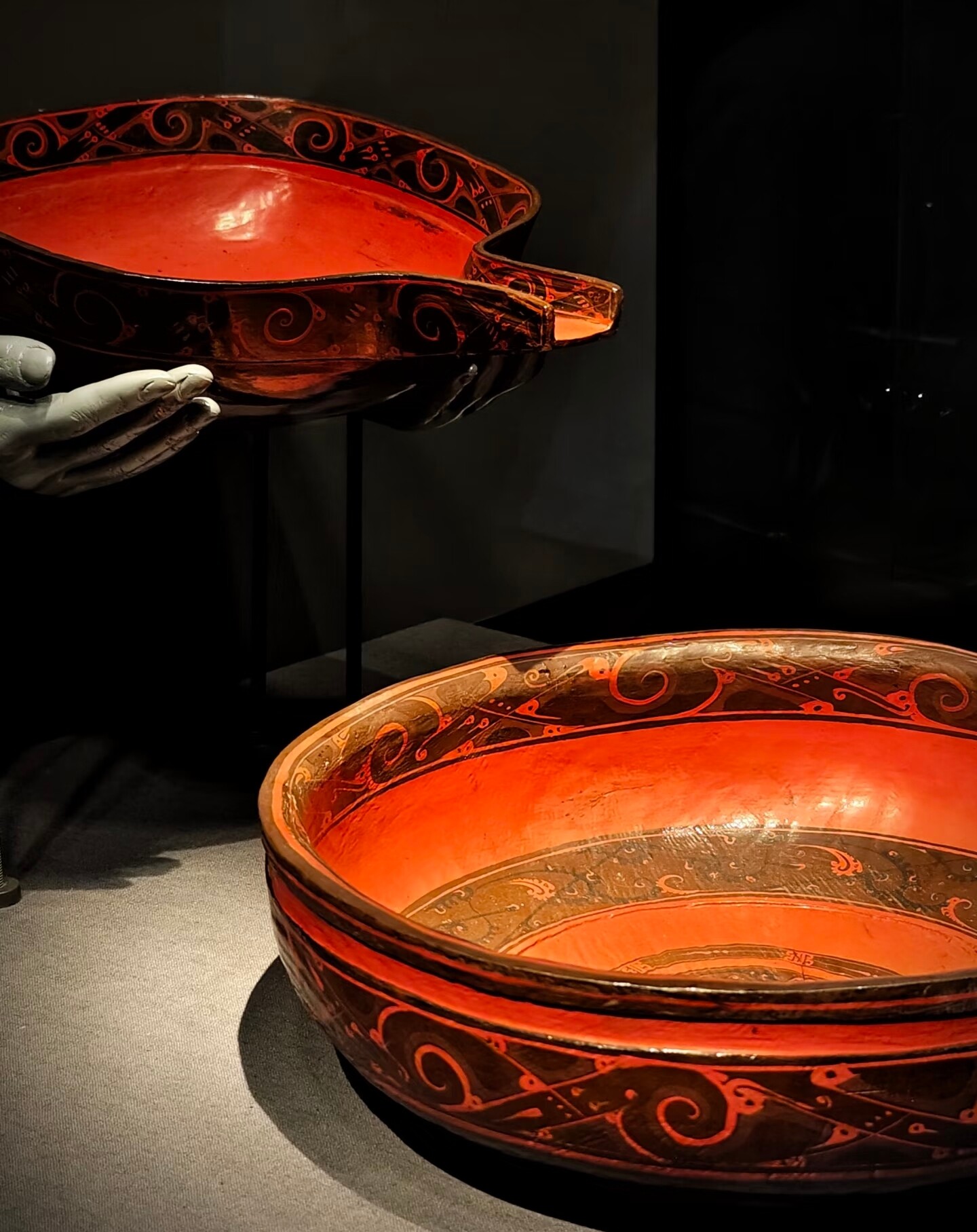
History & Origins
China's use of lacquer dates back 8,000 years to the Hemudu culture, making it the world's earliest user of lacquerware. Over millennia, lacquer craftsmanship evolved into a distinctive system with deep cultural significance, becoming a key expression of Eastern aesthetics.
Process Flow
Harvest resin
Natural lacquer is harvested from the lacquer tree during specific seasons and times to ensure optimal quality.
Tire building
Crafted from premium wood, bamboo, or clay to form a sturdy and aesthetically pleasing base.
lacquer
Apply the filtered lacquer evenly to the mold surface. Allow each coat to air-dry naturally, repeating the process dozens of times.
Polish
Sand the finish progressively with increasing grits to achieve a smooth, even surface for polishing.
Polished
Apply vegetable oil mixed with fine ash to a hair bundle or cotton cloth, then rub the lacquer surface repeatedly until it develops a warm, lustrous sheen.
Finished Product
After months or even years of meticulous craftsmanship, a lacquerware piece is finally completed and can be passed down for generations.
Core Craft Techniques
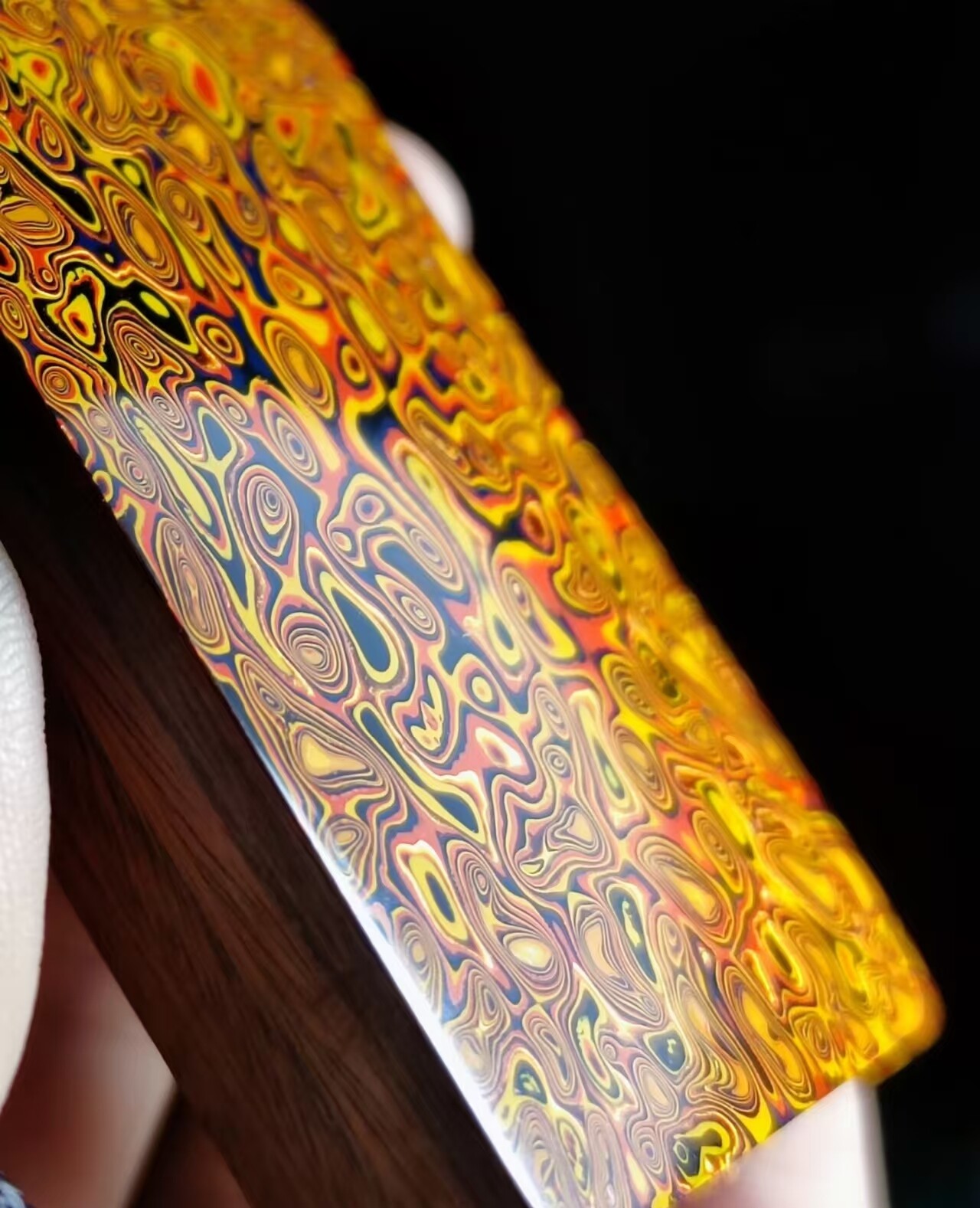
Xipi craftsmanship
Xipi / Variegated Lacquer: Xipi is a classic lacquer technique involving the layering of multiple colored lacquers, followed by carving and polishing to create flowing, dynamic patterns. Its smooth texture, durability, and ever-changing layers embody the subtle elegance and artistic beauty of Eastern lacquerware.
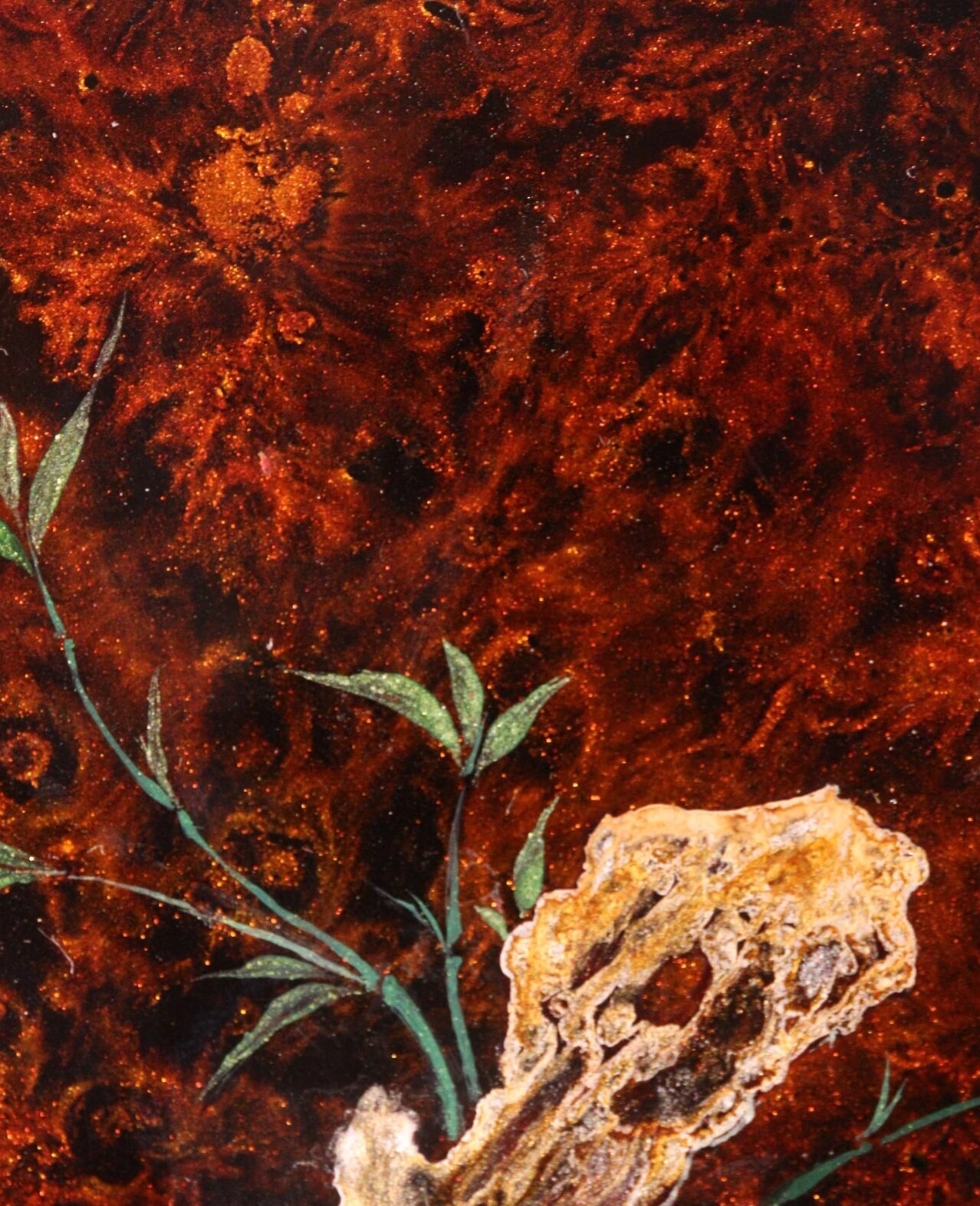
gilded
Unbin-gilding is an elegant and premium technique within lacquerware gilding, falling under the category of gold-painted decoration. Its core feature is creating a gradient effect with gold powder that transitions from rich to subtle, achieving a soft, blended appearance distinct from the rigid look of flat gilding.
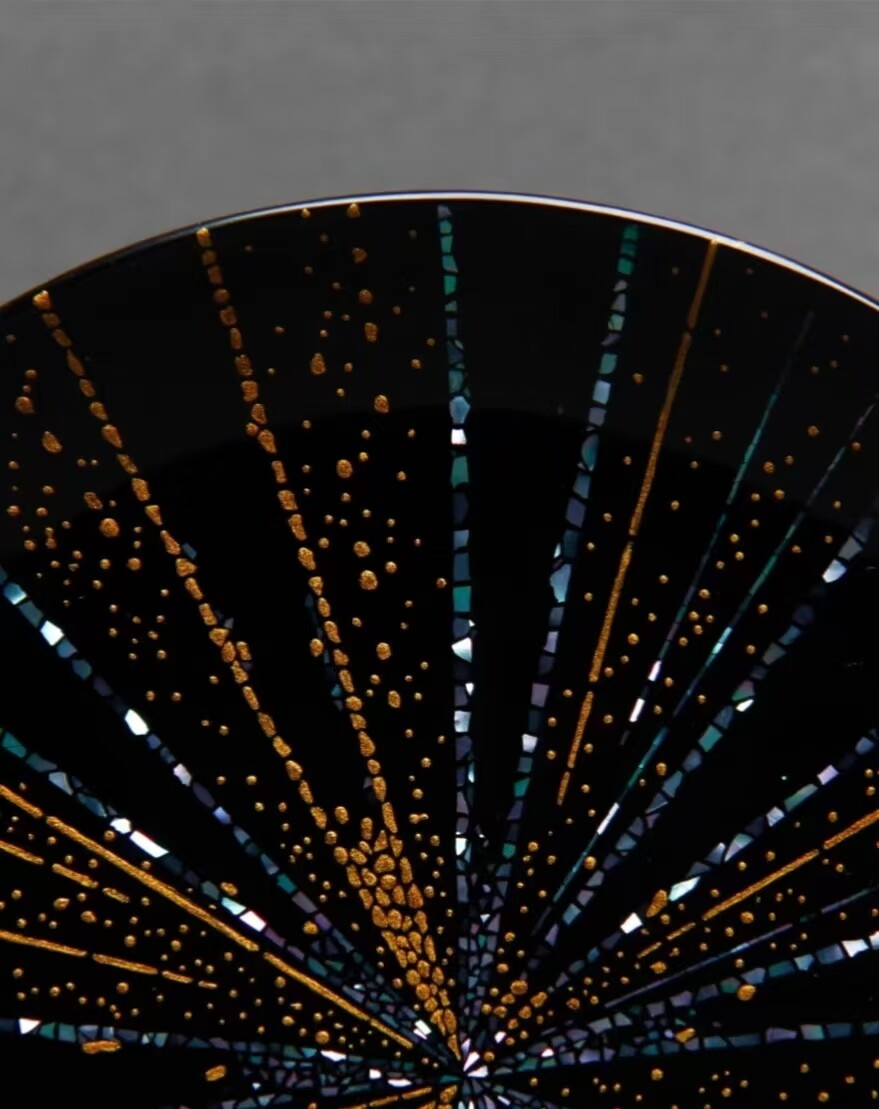
mother-of-pearl inlay
Mother-of-pearl inlay involves carving shells into thin pieces and embedding them into lacquerware. After coating and polishing, the surface shimmers with iridescent hues, creating a luxurious and exquisite finish—a classic decorative technique in traditional lacquer art.
Craftsmanship Team
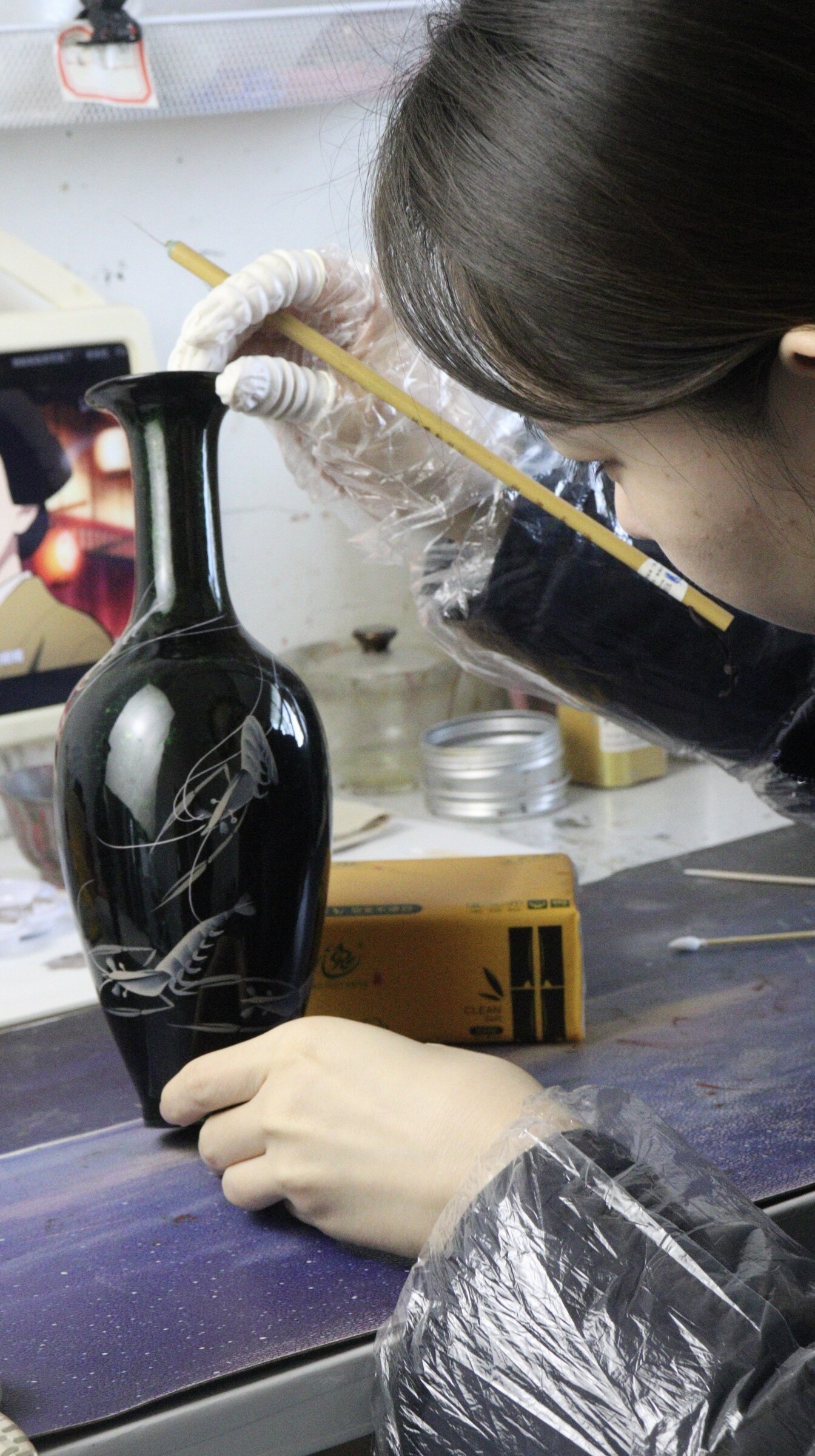
Master Zou
National Intangible Cultural Heritage Inheritor
Practicing lacquerware for over 20 years, mastering techniques such as carved red lacquer and piled lacquer; works have won multiple awards.
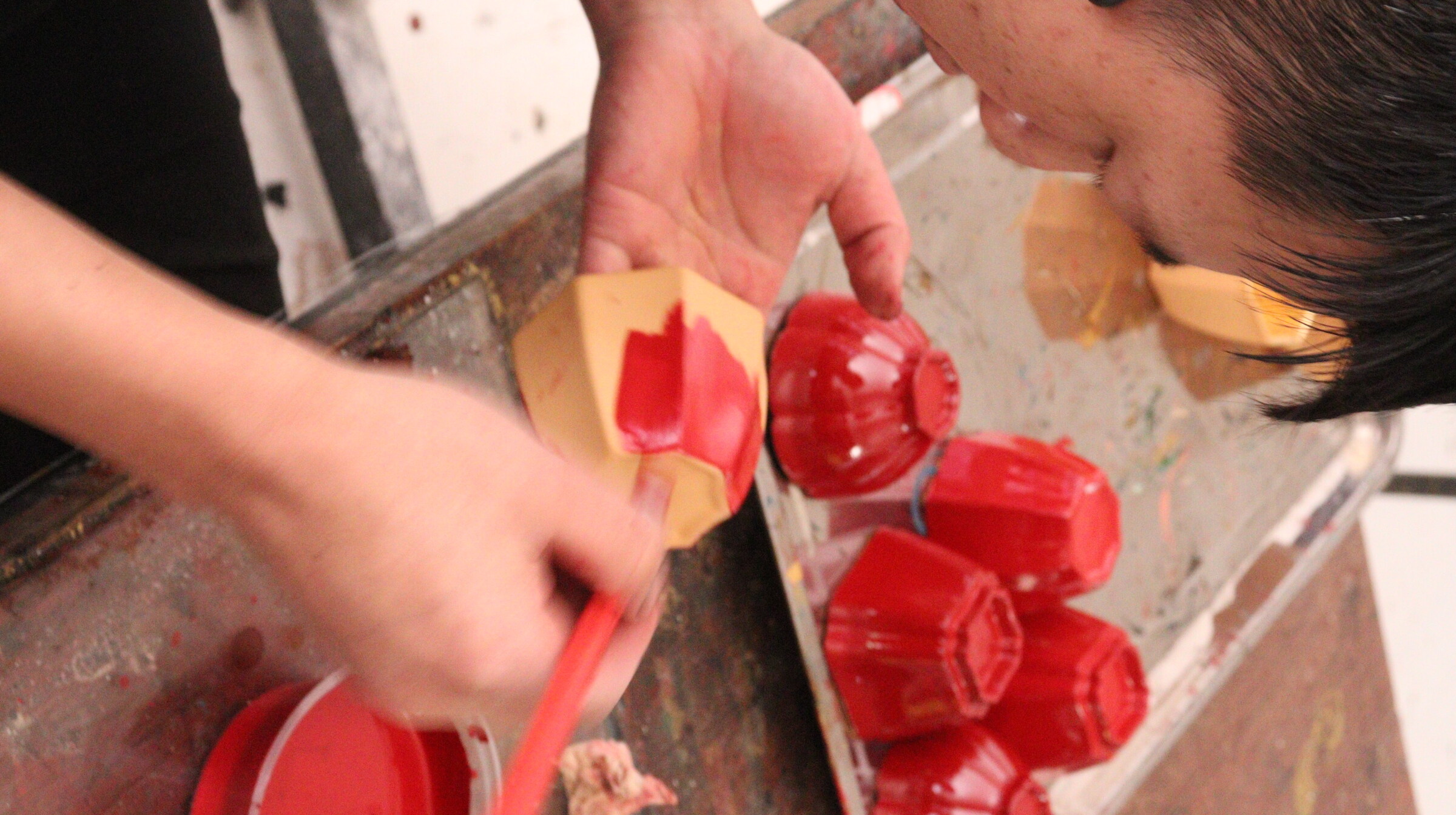
Master Zhang
Provincial Master of Arts and Crafts
Skilled in traditional lacquerware craftsmanship, with works honored by multiple national awards. Dedicated to the inheritance and innovation of true lacquer art.